

The Science Behind Lymphatic Compression Therapy
The lymphatic system plays an important role in maintaining fluid balance, transporting certain fats and proteins, and supporting immune function. Unlike the cardiovascular system, however, it does not have a central pump like the heart.
Instead, lymph moves through the body with help from several mechanisms, including muscle movement, breathing, pressure changes, and the natural contractions of lymphatic vessels themselves. One-way valves help keep that fluid moving in the proper direction.
This is where lymphatic compression therapy comes in.
How Compression Supports Fluid Movement
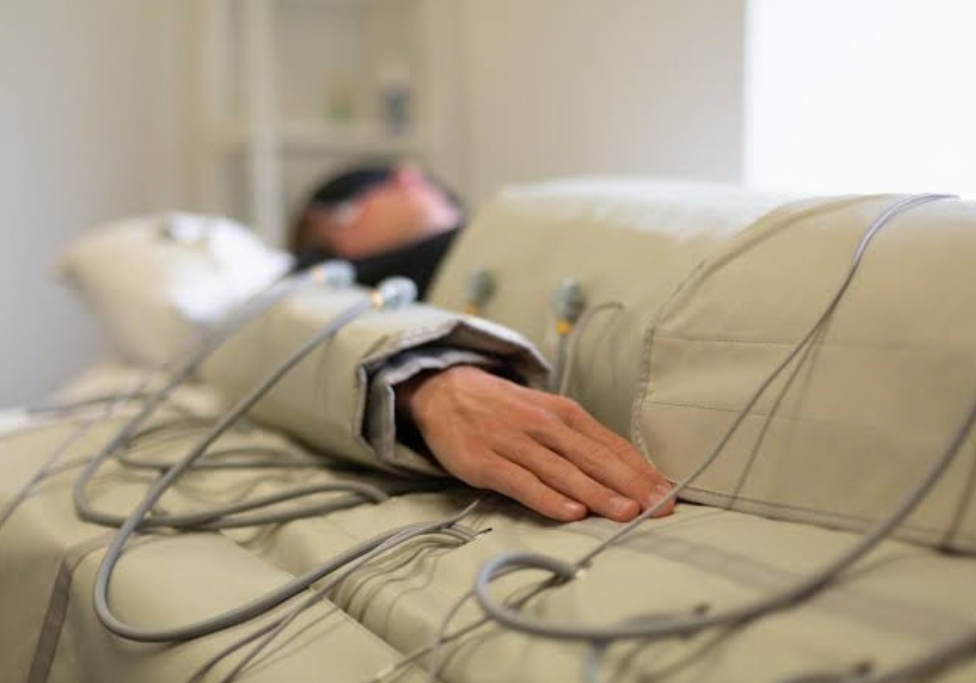
Sequential pneumatic compression uses a series of air-filled chambers that inflate and release in a controlled pattern.
As pressure is applied to the tissues, it creates external mechanical forces that can help move fluid through the vascular and lymphatic systems. Research on lymphatic physiology shows that periodic compression and expansion of surrounding tissues can contribute to lymph movement.
Rather than applying constant pressure, sequential systems create a rhythmic pattern—typically progressing from one area of the body toward another.
That pattern is designed to work alongside the body’s natural fluid-transport mechanisms.
Why Movement Matters to the Lymphatic System
The lymphatic system is highly responsive to mechanical forces.
Muscle contractions, changes in tissue pressure, vessel stretch, and fluid flow all influence how lymphatic vessels behave. Research has shown that these mechanical signals can affect both passive lymph movement and the natural contractions of the collecting lymphatic vessels.
This is one reason movement, exercise, breathing, manual lymphatic drainage, and compression are all commonly discussed when supporting lymphatic function.
What Does the Research Say About Compression?
Compression therapy has an established role in the management of certain venous and lymphatic conditions. Intermittent pneumatic compression is also used as an adjunct in some lymphedema-care settings, although the evidence varies depending on the condition, device, pressure, and treatment protocol.
Recent research continues to evaluate how pneumatic compression may support fluid movement and swelling management. Some studies have found additional benefit when pneumatic compression is added to established lymphedema therapies, while others show more modest or inconsistent effects.
That distinction matters: compression is a supportive tool, not a universal solution.
Where Flowpresso Fits In
Flowpresso is one form of full-body sequential compression therapy.
At ALBI Wellness, we use it as part of a broader recovery and wellness approach. Our team can help explain how the experience works and whether it may be appropriate for your goals.
The science behind the technology is ultimately quite simple: thoughtfully applied external pressure can influence the way fluid moves through the body.
And when used appropriately, compression can offer a gentle way to support one of the body’s most important transport systems.
